ZonMw Verspredings- en Implementatie Impuls (VIMP) 2024
Jan2025 t/m Dec2026
Data-driven medication safety in the Intensive Care – ADAPTIC project
This implementation project aims to improve medication safety for patients in the Intensive Care Unit (ICU). We start by addressing two key risk areas: drug–drug interactions and medication-related acute kidney injury. If our data-driven approach proves successful, the developed tools will be expanded to other relevant risk areas.
The following key stakeholders are involved:
Stichting Nationale Intensive Care Evaluatie, NICE: Prof. dr. Nicolette de Keizer & Prof. dr. Dave Dongelmans
NVIC: Iwan Meynaar
KNMP: Dr. Nicole Hunfeld
NVZA SIG Intensive Care: Dr. Nicole Hunfeld and Dr. Liesbeth Bosma (also Metavison expert)
NVZA ICT: Dr. Laura Nijstad (HiX expert), Harmen Huls (EPIC expert)
KNMP-GIC: Marianne le Comte
Z-Index – G-Standaard: Leonora van Dorp-Grandia

News letters (in Dutch)
LinkedIn posts
Implementation team
The implementation team consists of researchers from PharmacoInformatics Lab and NICE Research & Support at the Department of Medical Informatics, Amsterdam UMC, The Netherlands
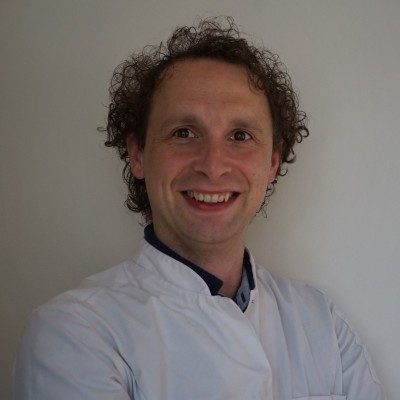
Arthur Wasylewicz, PharmD PhD
Clinical pharmacist
Expertise in CDSS and ICT
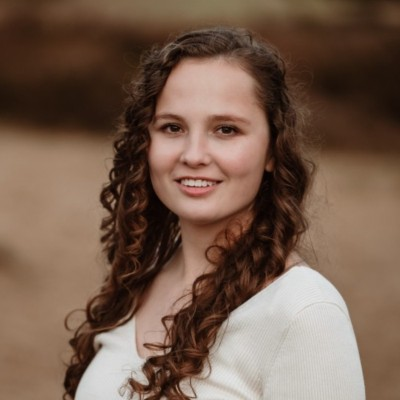
Charlotte Mittendorff PharmD
Pharmacist
Expertise is quality assurance
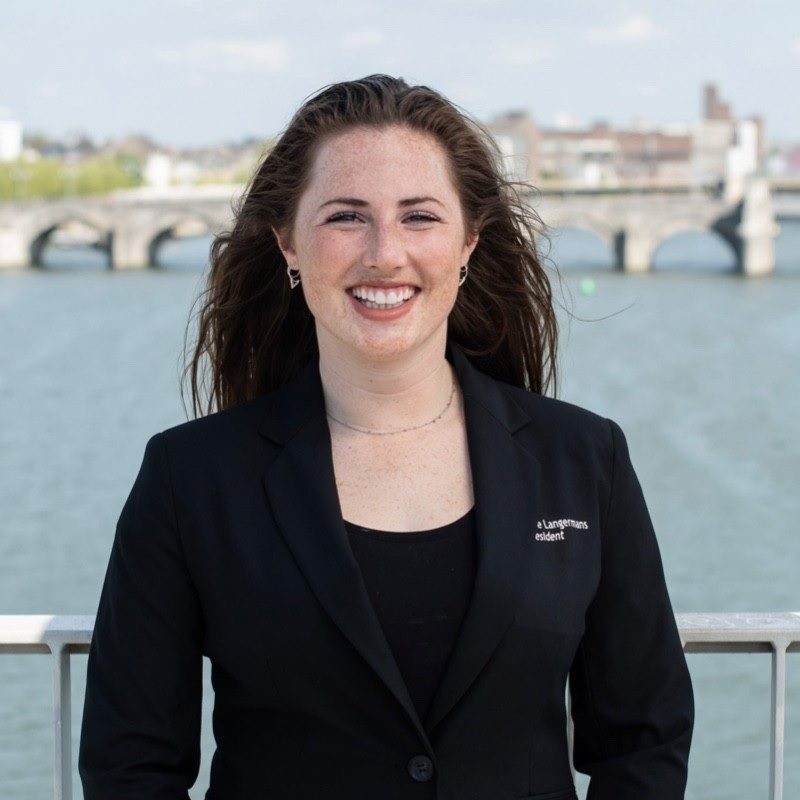
Anne Langermans
MSc
Expertise in Medical Informatics and HiX EHR system
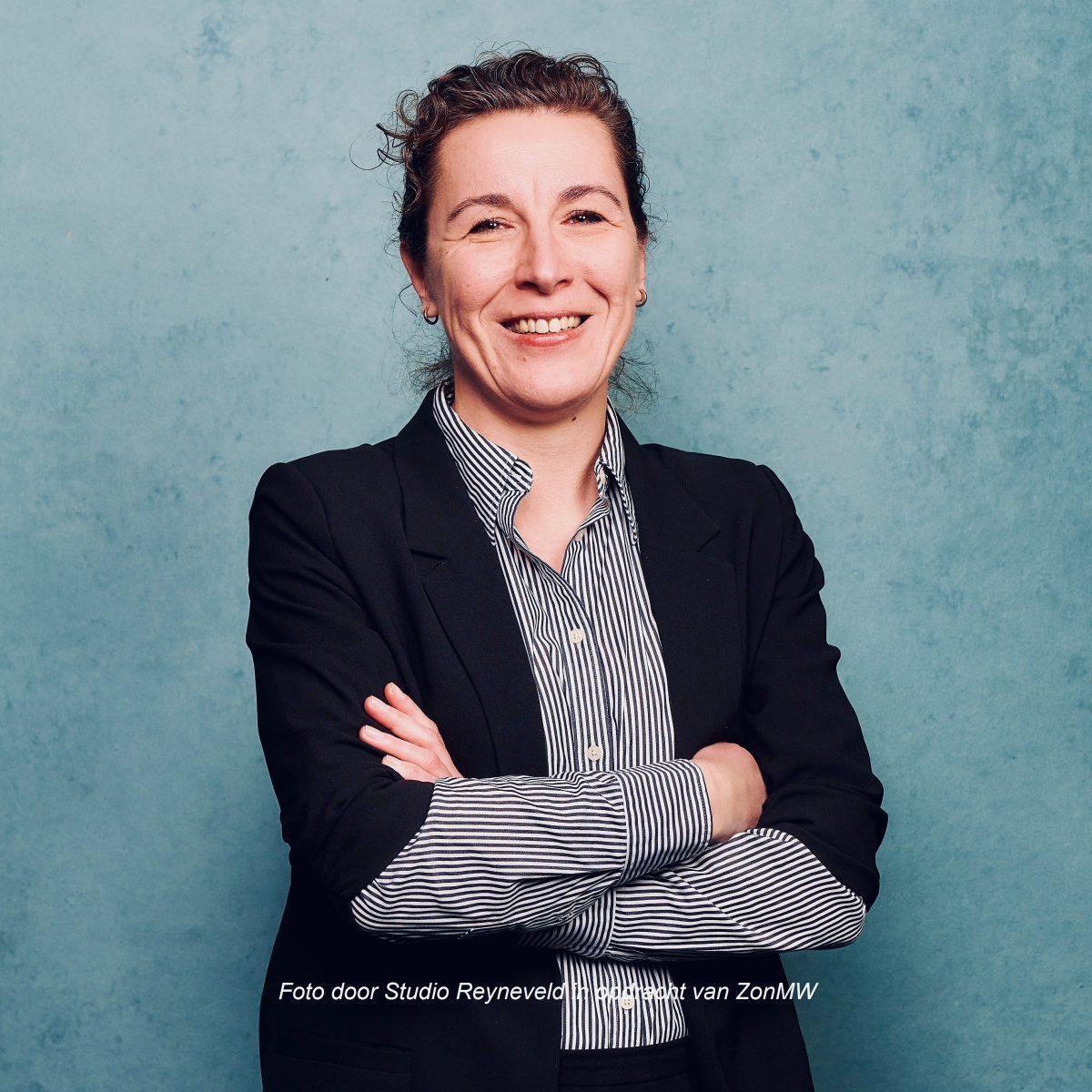
Joanna E. Klopotowska PharmD PhD
Project leader
Expertise in Pharmacoinformatics
The National Working Group for ICU drug-drug interactions
The SIMPLIFY list first created in 2017 as part of the SIMPLIFY study, will be updated and maintained by a national expert team consisting of four intensive care physicians with clinical pharmacology expertise and nine hospital pharmacists with intensive care expertise.
Members of the working group are (from left to right on the picture): Wouter Bult (hospital pharmacist at UMCG), Maaike Sikema (intensivist at UMCU), Esther Uijtendaal (hospital pharmacist at UMCU), Rick Lammers (hospital pharmacist at ZGV), Nicole Hunfeld (hospital pharmacist at Erasmus MC), Carina Bethlehem (intensivist at Frisium MC), Wai-Ping Manubulu (hospital pharmacist at Martini), Dylan de Lange (intensivist at UMCU), Liesbeth Bosma (hospital pharmacists at Haga), Wytze Vermijden (intensivist at Medisch Spectrum Twente), Irma Rigter (hospital pharmacist at Amsterdam UMC), Joost Masselink (hospital pharmacist at Medisch Spectrum Twente, not in the picture), Tessa Jaspers (hospital pharmacist at Elisabeth TweeSteden Ziekenhuis).
Participants
Amsterdam UMC, UMC Utrecht, MUMC+, UMCG, HagaZiekenhuis, Elisabeth-TweeSteden Ziekenhuis, Jeroen Bosch Ziekenhuis, Zaans Medisch Centrum, Medisch Spectrum Twente, Martini Ziekenhuis, Franciscus Gasthuis en Vlietland, VieCuri Medisch Centrum, Noordwest Ziekenhuisgroep
Deliverables
E-LEARNINGS
Expected in Q3 2026
UPDATED SIMPLIFY LIST
Expected in Q1 2026
INSTRUCTIONS & PROCEDURES
Expected in Q1 2026
DATA EXTRACTION TOOLS
Expected in Q2 2026

Implementation toolkit
The final deliverable of the project will be an implementation toolkit to support data-driven medication safety implemenation at each Dutch ICU.